
笑看风云
New archives on notorious Unit 731 reveal Japanese military’s cover-up of biological warfare_我的网站

一 |
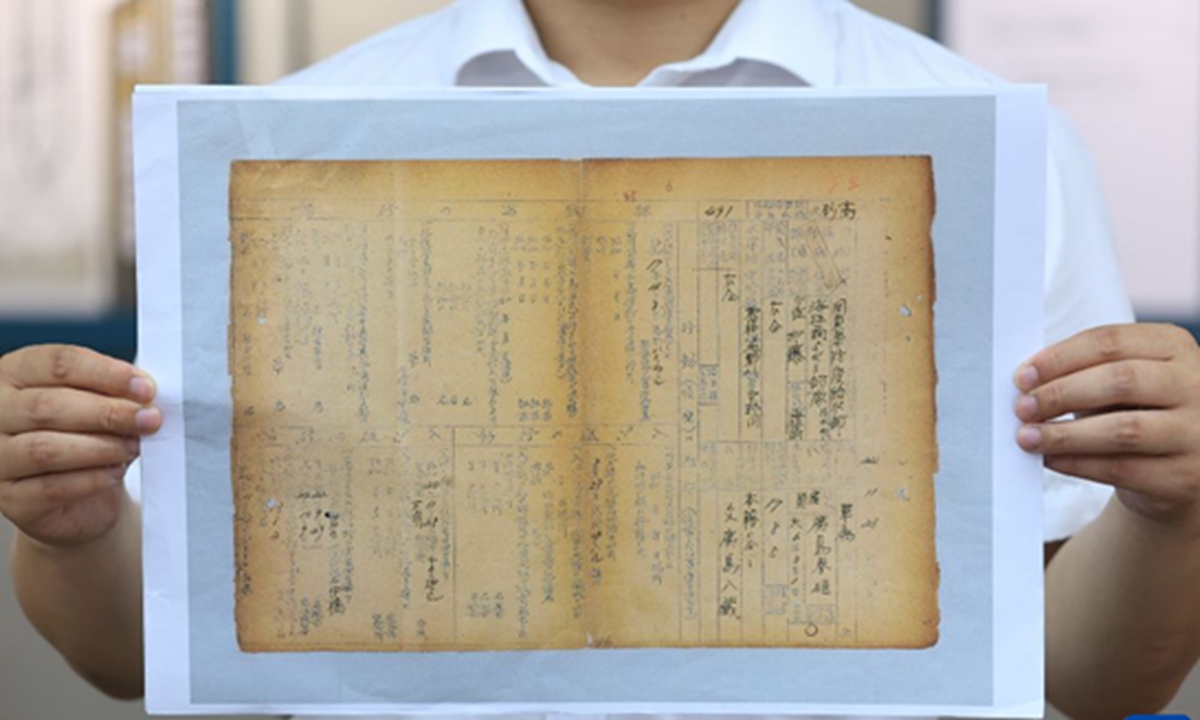
Newly released wartime records from the Hailar branch of Japan's notorious Unit 731 reveal how the Japanese military disguised biological warfare personnel as conventional infantry troops to conceal secret operations, including human experimentation.
The Exhibition Hall of Evidences of Crime Committed by Unit 731 of the Japanese Imperial Army released on Wednesday a 185-page archive of "personal background declaration" from the Hailar branch of Unit 731, also known as "Manchuria Unit 543". The documents show that the Japanese military concealed its biological warfare operations under the guise of conventional infantry units and shed new light on the Soviet Union's continued efforts after World War II to investigate and prosecute Japanese biological warfare crimes.
Unit 731 was a top-secret biological and chemical warfare research base established as the nerve center for Japanese biological warfare in China and Southeast Asia during WWII. At least 3,000 people were used in human experiments conducted by Unit 731, and more than 300,000 people in China were killed by Japan's biological weapons, according to the Xinhua News Agency.
The Japanese Kwantung Army established five branches of Unit 731 in Northeast China - in Hailar, Sunwu, Mudanjiang, Linkou and Dalian. Located in the northeastern part of the Inner Mongolia Autonomous Region, near China's borders with Mongolia and the Soviet Union, the Hailar branch served as a frontline base of the Japanese imperialist army for potential biological warfare operations against the Soviet Union.
The newly released 185-page archive contains key information on 156 members of the Hailar branch of Unit 731, including their names, military ranks, dates of enlistment, duties, transfers and postwar whereabouts. Researchers said the documents constitute first-hand official records for studying the branch's personnel structure and operations.
Jin Shicheng, a researcher at the Exhibition Hall, said the study produced two major findings. First, the documents reveal that the Japanese military recruited personnel under the cover of ordinary infantry units to conceal biological warfare activities. Some personnel, for example, were recruited under the names of conventional units such as Manchuria Unit 97, Unit 177 and Unit 201. They were then sent to Unit 731 headquarters for three months of training before being assigned to the Hailar branch. The deceptive recruitment system was intended to conceal the crimes committed by Unit 731, including human experimentation.
Moreover, the archive provides evidence of continued postwar investigations into Japanese biological warfare crimes. Of the 156 personnel listed in the documents, 145 were captured by Soviet forces after the war and detained in the Soviet Union. Four were tried in Khabarovsk between April and September 1950. The researcher said the records show that Soviet investigations and judicial efforts concerning Japanese biological warfare crimes continued after the trial held in 1949.
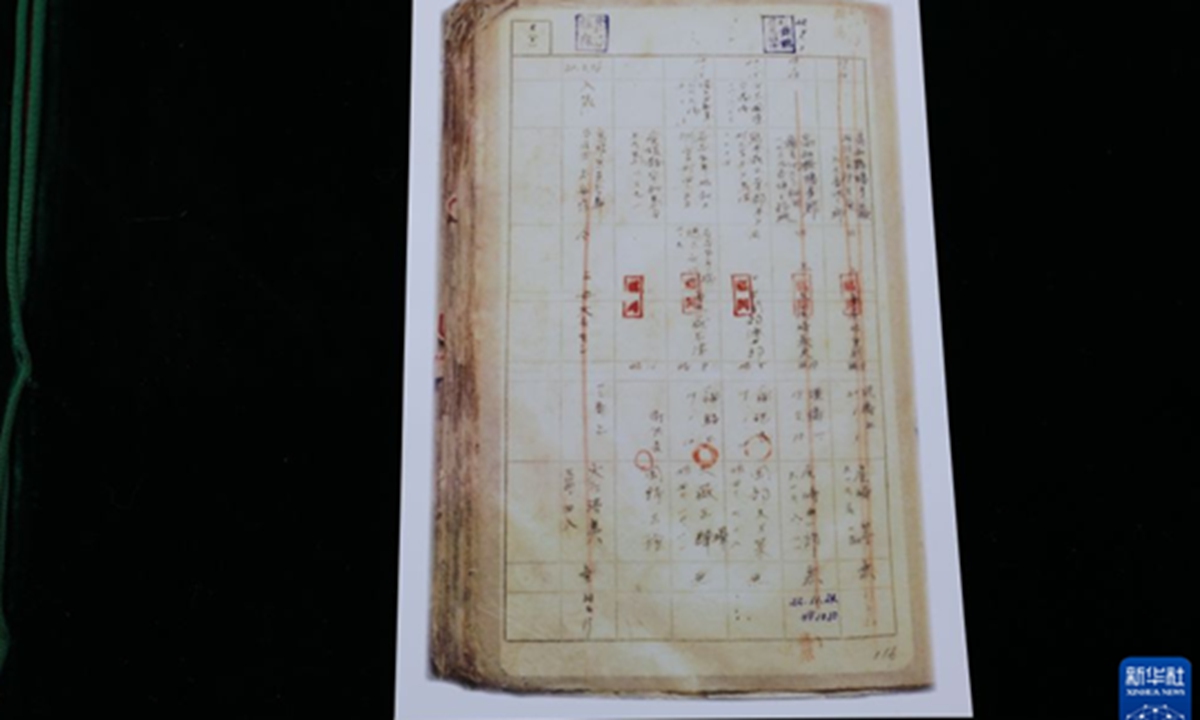
A photo published by Xinhua showed a record on medic Tanizaki Hitoshi in the "personal background declaration" records of Unit 731's Hailar branch. Tanizaki, originally named Ozaki Hitoshi, is documented in historical records that, together with his oral testimony, form a chain of evidence further substantiating the crimes committed by Unit 731.
Experts said the new revelation of the Hailar branch deepens research into Unit 731 and, together with previously obtained oral testimony from former members, form a broader chain of evidence. The official records exposed the efforts by the Japanese military to disguise their crimes against humanity and provided further evidence of the state-organized system behind Japan's biological warfare program, while adding important material to research on Unit 731 and postwar prosecutions.
Global Times
。 8月26日消息,据第三方电商监测机构灰豚数据最新统计,今年6月1日至8月25日,宗馥莉主导的宏胜集团全新饮品线上阵地——抖音啵啵汽水铺,交出了一份平淡的线上答卷。 短短三个多月时间,店铺累计开播62场直播,整体直播销售额仅维持在5万-10万元区间,全店累计销售额也仅为10万-25万元。 从店铺基础运营数据来看,啵啵汽水铺目前仍处于初期试水阶段,规模化增长尚未启动。
截至8月26日,该抖音店铺粉丝数仅920人,私域流量积淀薄弱。产品布局上,店铺上架商品不足5款,核心营收与销量完全依赖单品支撑。 其中主打产品宏胜KELLYONE果然啵啵西柚柠檬味果汁汽水表现最佳,店内销量区间为2500-5000件,是店铺唯一破两千销量的单品; 另一款无糖茶饮料销量仅500-1000件,其余在售单品销量均不足500件,产品矩阵缺乏梯度,难以带动整体销量提升。 价格层面,店铺商品整体客单价锁定10-50元档位,看似贴合大众饮品消费区间,实则依赖整箱规格拉高客单,剔除整箱批发属性后,单件饮品实际售价为3-6元。 为直观体现赛道差距,对比同一监测周期内行业头部品牌元气森林抖音官方旗舰店数据,两者业绩形成反差。 元气森林同期线上销售额达千万元级别,整体销量区间高达25万-50万件,是啵啵汽水铺的数十倍。

二 | 在同等10-50元价格档位下,元气森林搭建了成熟的全域带货体系,累计联动2189位达人布局分销渠道,形成直播、短视频、商品卡三足鼎立的流量格局,其中直播销售占比46.2%、短视频带货占比35.1%。 据了解,果然啵啵新品是宗馥莉赋能KELLYONE品牌、推动宏胜集团品牌升级的关键布局,承载着品牌摆脱代工标签、深耕自有饮品赛道的核心期待。 此前在6月2日,抖音啵啵汽水铺正式上线,成为该新品线上核心销售与品牌曝光阵地,也是宏胜集团试水抖音电商、拥抱新媒体零售的重要尝试。 公开资料显示,宏胜集团早年是娃哈哈核心代工厂,长期依托代工业务稳步发展,后续逐步剥离代工属性,发力自有品牌独立化运营,KELLYONE便是集团高端化、品牌化转型的核心载体。
Current article:http://3uknz.linxiuhuaishuangniuzhenrua.bond/i6pm6o/20260826/4278.html
Published on:12:18:14
我的网站最近更新
- FSR 4帧生成曝出Bug:一帧显示四倍时长!120帧像60帧
- 漏发不补发,发不相关链接,没点击就一只拖着不发货
- 日本政府安排千人自卫队参与安倍国葬:鸣炮19响、乐队演奏
- 小米6.35亿北京再拿地 拟用于建设新能源汽车工厂
- 巅峰曾值1亿欧!33岁法国巨星遭解约 1年仅踢115分钟+训练又受伤
- DeepSeek调整API周末计费:周六日全天统一按低谷价收费
- 托卡耶夫压倒性大胜,他干的第一件事,被解读为给普京“上眼药”,朔方瞭望,原创 托卡耶夫压倒性大胜,他干的第一件事,被解读为给普京“上眼药”
- 浙江宣传谈调休 争议当前调休是否该做优化?
- 宝塔执行编译安装提示:安装失败,文件不存在...
- 暖心冬衣送受灾地区
- 乒乓球德甲首轮:樊振东独得两分,杜塞尔多夫3-1击败对手
- 追觅科技回应外界关切:调整部分探索业务 聚焦四大主营业务
- 2026年张家界旅行社服务现状观察及地接资源梳理
- 内线关键发挥,所罗门7中5高效砍11分13板2助1断
- 期货收评:美伊就停火协议条款达成共识!低硫燃油重挫超8%
- 紧盯洪水和强降雨发展态势 两部门持续部署防范工作
- 营造温馨和谐有序的教育环境——记连山区兴工小学
- Yellow peaches from east China debut in Serbia
- 休媒不满联盟赛程安排!美记:KD影响力暴跌,火箭运作过少话题感不足
- 陈武同志逝世
- China and India face considerable scope for cooperation in the field of AI: Indian venture capital veteran
- 固态电池概念震荡拉升,上海洗霸涨停
- Dhurandhar Box Office Day 3: Ranveer Singh's Film Crossed Rs 100 Crore Mark
- 《GTA6》本体泄露是假消息?外媒删稿道歉:未查证
我的网站热门资讯
- Chinese Embassy in Thailand issues reminder to nationals participating in cultural and sports activities in Thailand
- SVG创意长图丨玩转京张,户外“全家桶”上线!
- 《Deus Ex》《网络奇兵:重制版》及《Start Heart Thief | 出发吧!偷心盗贼 | 出撃 ルビー | 出擊 偷心盜賊》传奇开发者 Warren Spector 宣布退休
- 巳福满园 生生不息
- 中国人民银行、国家外汇管理局发布《关于跨国公司本外币跨境资金集中运营业务有关事宜的通知》
- 菲律宾百艘渔船强闯黄岩岛,中国海警提前占位布局
- 抖音广告应有尽有 甚至包括付费的盗版资源
- 中国驻菲律宾使馆就菲防长特奥多罗涉华错误言论答记者问
- 开车时使用手机的违规行为剧增,总理表示要重罚
- Vijay Varma Talks About Playing a Romantic Hero in Gustaakh Ishq
- 连续4天 人民日报刊发钟才文署名文章
- 首批41个典型场景启动建设 “人工智能+交通运输”加速落地
- 巳巳如意 ,“幼”见可爱的你
- 广州每日优鲜主要人员变更 此前曾被列入经营异常名单_该公司_名录
- 4 dead, 61 injured in prison fire in Iran
- भारत के इस मंदिर में विराजमान हैं दाईं सूंड वाले गणेश जी, चमत्कार सुनकर दूर-दूर से आते हैं भक्त
- Russia mounts largest assault in months in eastern Ukraine
- 北京通州警方近期拘留3名闯站人员
- TCL发布阿尔卡特1X/1C智能手机:约548元
- 2025天猫淘宝618红包活动第二波5月27日10点首发:京东618活动满减优惠攻略及时间表大全一览
- 了不起的极氪0.01
- 传承红色薪火,谱写奋斗新篇,这场“启智润心”研学情景故事大赛有看头!
- ‘Why Isn’t MAGA Inc. Funding Everyone’s Defense?’
- 难逃电气化,兰博基尼Aventador继任车型将搭载V12插混系统